
The Great Filter Theory

Introduction
The universe is incomprehensibly vast, with an estimated two trillion galaxies and 200 sextillion stars (2 × 10²³). At this point, it seems almost inevitable that intelligent life forms should exist somewhere. And yet, there has been no sign of true intelligence in the observable universe. This is the Fermi Paradox. If the universe is so large, how come we haven’t seen anyone else? The Great Filter is one theory to answer this question.
What Is the Great Filter?
The Great Filter attempts to explain one of the most important questions in science and astronomy. If the universe has billions of habitable planets, and has existed for over 13 billion years, advanced civilizations should’ve had plenty of time to evolve and advance their technology.
The Great Filter suggests that there’s an evolutionary stage that is incredibly difficult to pass, anywhere from the development of single celled life forms to advanced spacefaring civilizations.
To understand this better, imagine a checklist of advancements a civilization has to go through.
Simple life appears.
Complex life develops
Development of technology starts
Colonization of nearby planets
Galaxy-wide domination
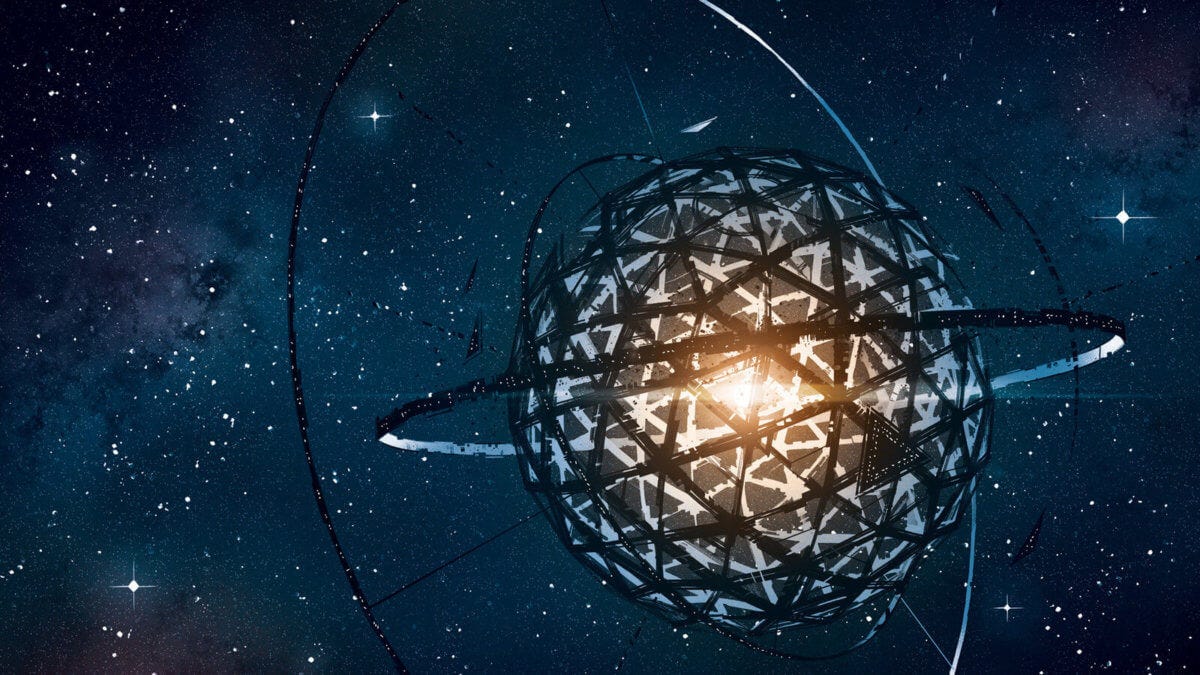
If even one of these steps is incredibly unlikely or dangerous, it could act as a filter that wipes out almost every civilization before it reaches the stars.
Where Could the Great Filter be?
Many scientists hope that the filter is behind us, which would mean that we’ve already passed one of the most dangerous steps in evolution. If this is true, the reason we don’t see other alien civilizations might be because we’ve simply made if further than they have, making our existence an extraordinary exception in the universe. So what might those past filters have been?
Even though we know that life originated early in our planet’s history, we still don’t know exactly how this happened. The jump from inanimate chemicals to self-replicating cells could be an extraordinarily rare occurrence.
Complex Life is a Near-Impossibility
For about 2 billion years, Earth was home only to single-celled organisms. The transition to complex, multicellular life (like animals and plants) might also be a filter. Most planets with life could just be filled with bacteria and single-celled organisms forever.
Intelligence Might Not Be Inevitable
On Earth, only one species (humans) developed advanced intelligence. For hundreds of millions of years, dinosaurs ruled our planet, yet they never designed infrastructure or built technology. Maybe intelligence was a rare evolutionary accident, and not necessarily a guarantee.
Civilization Might Collapse Easily
Even with intelligence, a species might never build a technological society or they might destroy themselves quickly through war, pollution, or resource collapse.
If the Great Filter is somewhere in these early stages, it means that humanity is truly unique, and that we’ve survived what almost every other civilization hasn’t. The problems start to form if the Great Filter is yet to come.
The other, more unsettling possibility is that the Great Filter lies ahead of us. In this case, the reason we haven’t encountered intelligent civilization would simply be because they all destroy themselves, one way or another. If life, intelligence, and civilization are all relatively common in the universe, the reason we haven’t seen any signs of life wouldn’t be because they never evolved into intelligent beings, but because they didn’t survive their own progress. Nuclear war, climate catastrophe, widespread pandemics, or the exhaustion of resources could all be potential filters that other civilizations couldn’t pass.
It’s possible that there’s a dangerous threshold most civilizations need to cross in order to survive, a point where their power and impact on the environment outpaces their capability to adapt.
The Search for Life
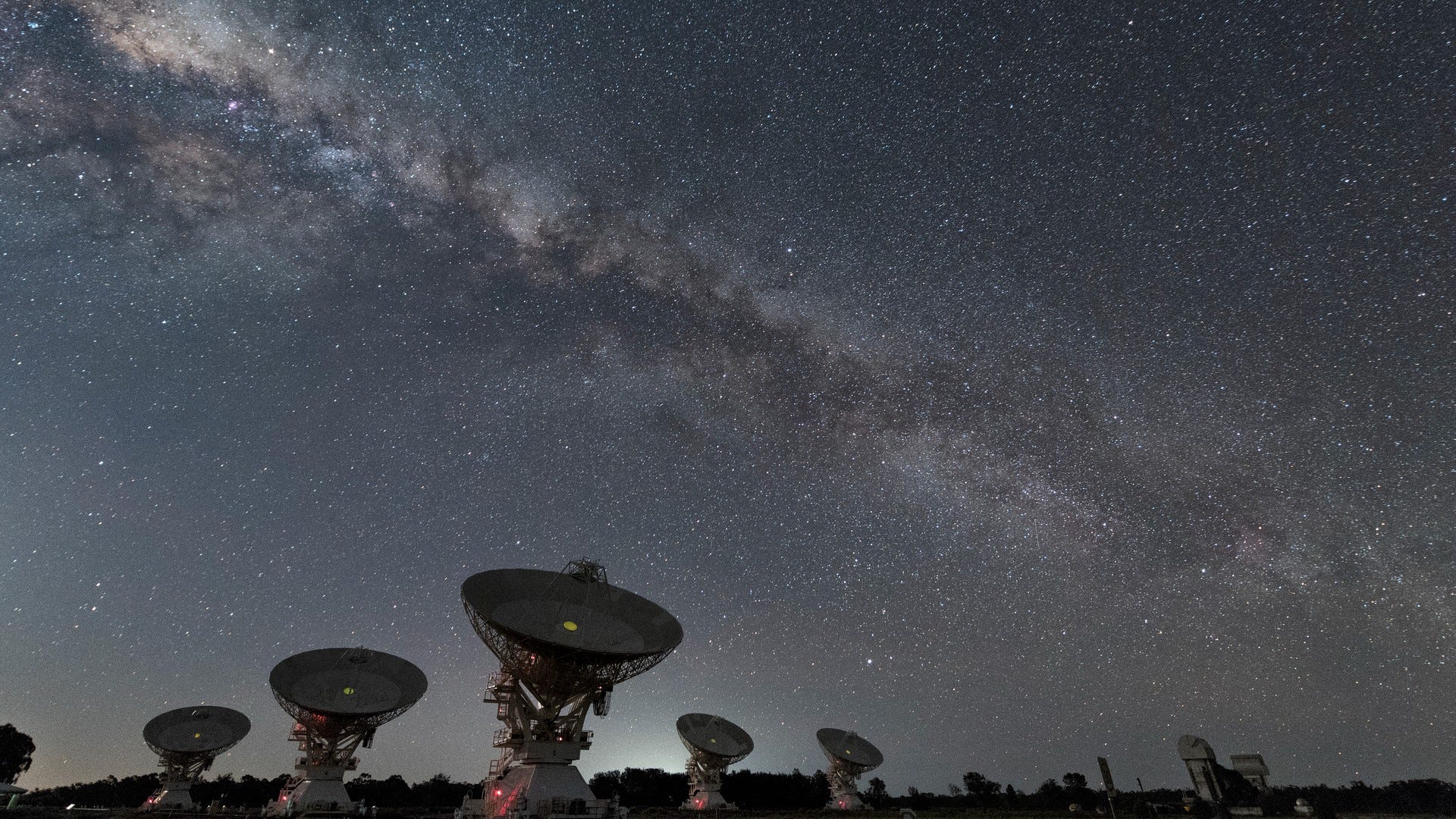
For years and years, scientists and astronomers have been scouring the sky for traces of life. So far, our exploration hasn’t resulted in the discovery of anyone else in our galaxy, but this might be a good sign. The more life we find, and the more intelligent it is, the worse a sign it is for humanity. Life being widespread would be a bad sign. Intelligent life would be even worse. The remnants of ancient civilization would be catastrophic. If life is common, it means that the filter has to be later in the evolutionary tree. Paradoxically, the best possible news for humanity might be that the universe is completely silent and empty. It would mean we’ve already passed the filter.
Conclusion
The Great Filter is more than just a theory: it’s a way of thought, by confronting our place in the vast cosmos. If such a filter exists, and is already behind us, then humanity is in itself, an extraordinary miracle. One of the few (perhaps only) civilizations that has developed true intelligence. If it’s still ahead of us, then humanity may be on the edge of an impassable barrier in technological and evolutionary progress of humans as a species.
The Great Filter leaves us with a very uncomfortable, messy question. Are we a rare success story, or just on the verge of societal collapse? There is no way to know for sure, and only time will tell. How we handle technology (especially along the lines of artificial intelligence) could make or break our place in the universe.
Yay