
Is There Such a Thing as Objective Morality?
Are good and evil universal rules, or is morality simply just a human invention?

Ever since the earliest days of philosophy, one question has echoed across the centuries: Is there a true right and wrong, or are good and evil simply opinions?
What does it mean for morality to be objective?
When something is objective, it means it exists outside of opinion — a natural law, if you will. For example, Newton’s First Law of Motion: “An object at rest stays at rest, and an object in motion stays in motion at a constant speed and in a straight line unless acted upon by an unbalanced force”. is objective, since it applies whether we believe it does or not.
If morality is subjective, then right and wrong are simply opinions, interchangeable and constantly shifting. What one person sees as good, another might see as wrong, and vice versa.
The case supporting objective morality
Many famous philosophers have supported the idea of objective morality, the most important of which being Immanuel Kant. He was an 18th-century German philosopher that believed “morality is the objective law of reason.” To him, right and wrong were dependent on universal laws, rather than personal feeling.
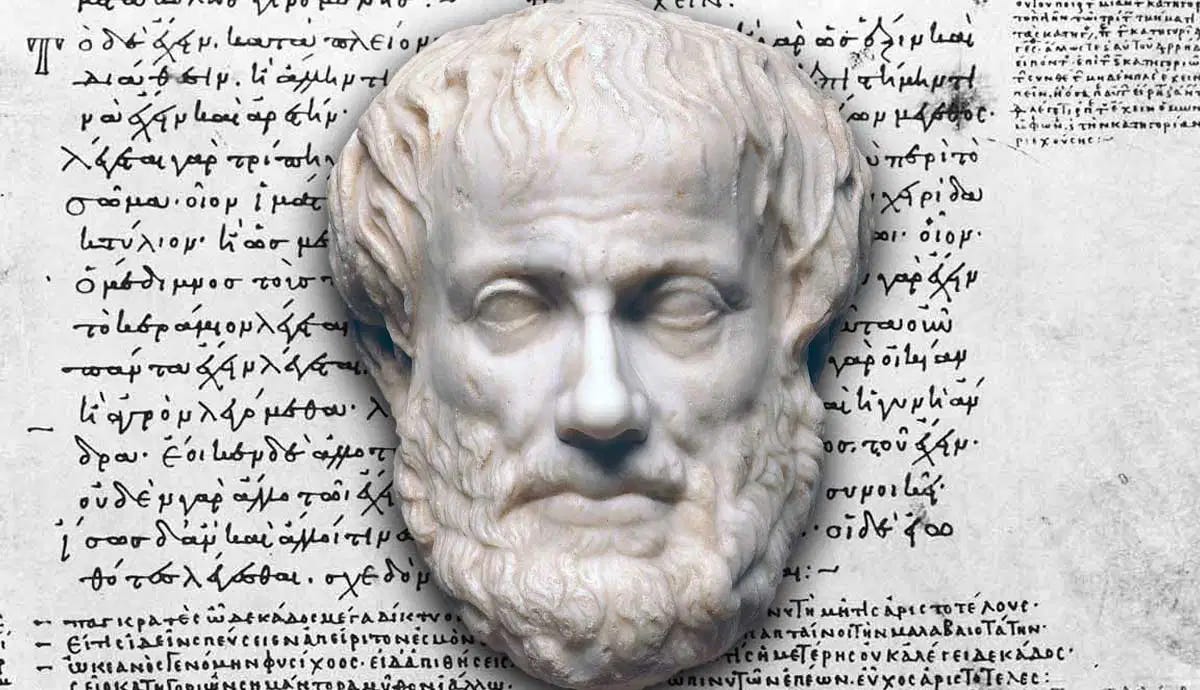
Similarly, Aristotle believed that natural standards for right and wrong were built into human nature, which would later become a major part of Natural Law Theory.
The case against objective morality
On the other side of this argument, some philosophers believe that morality is subjective and dependent on culture.
Moral Relativism, a belief that moral principles are not universal but are shaped by individual or cultural ideas, was supported by 20th-century American philosopher Gilbert Harman. Gilbert Harman also believed that there are no absolute moral truths, and that the only moral systems are the ones that we live by.
Evolutionary Theory suggests that morality is a product of natural selection. One branch of this theory is that morality evolved through the selection of groups, and that groups with moral and cooperative individuals were more successful than others.
Conclusion
In conclusion, there is no definitive answer to this question, but that doesn’t mean it’s not important. Questions like this raise awareness about the vast world of philosophy, and how right and wrong might exist outside of personal feelings or cultural tradition.
I personally believe that morality is built into the truth of the universe, and not personal belief. In other words, right and wrong are not inventions of society. They are part of something larger than ourselves, woven into existence.
This is amazing work, Maxwell. I love this! Keep up the great work, and please do continue writing more philosophy blogs. I am your biggest fan!